A loud exhaust rattle can make your car feel rough, even if it still drives fine. You might hear it on a cold start, when you hit the gas, or when you go over bumps. Sometimes it disappears for a while, then comes back at the worst moment, like when you pull into a parking lot with the windows down.
Exhaust rattles are usually caused by something loose, broken, or contacting another part. The key is figuring out whether the noise is coming from the exhaust system itself or from something near it that is vibrating. Once you know what tends to rattle, you can track it down without wasting money.
Why Exhaust Rattles Show Up At Certain Times
The exhaust system changes shape slightly as it heats up. Metal expands with heat, and rubber hangers flex with movement. That is why some rattles are loudest when the car is cold, then fade as the exhaust warms. Other rattles do the opposite. They start quiet, then show up once parts are hot and moving more.
Road conditions matter too. A rattle that appears mainly over bumps often points to a loose shield, a broken hanger, or an exhaust pipe that is touching the body. A rattle that appears when you accelerate often points toward internal exhaust components or a joint that opens slightly under load.
Loose Or Broken Heat Shields
Heat shields are one of the most common causes of an exhaust rattle. They are thin metal panels designed to protect the underbody from heat. Over time, the fasteners can rust or break, and the shield starts vibrating.
The sound can be sharp and metallic, especially at idle. It can also change with engine RPM. If the rattle is worse at certain RPM ranges and disappears above or below that range, a heat shield is a strong suspect.
Exhaust Hangers And Rubber Mounts Wearing Out
Exhaust hangers keep the system supported and centered. Many vehicles use rubber mounts that allow some movement while holding the exhaust away from the body. When a hanger breaks or a rubber mount stretches, the exhaust can sag.
A sagging exhaust can contact the frame, crossmember, or another component and create a loud rattle. This often shows up when you hit bumps or shift into Drive or Reverse, because the engine moves slightly and the exhaust follows.
Loose Clamps, Flanges, Or Broken Welds
Exhaust joints are held together with clamps, flanges, and welds. When a clamp loosens or a flange gasket fails, parts can shift and vibrate. Broken welds can also create a rattle, especially if a bracket or hanger point is no longer solid.
A joint-related rattle can change with throttle input. It can also be paired with a ticking or puffing noise if there is an exhaust leak. If you smell exhaust more than usual or notice a louder exhaust tone, a loose joint deserves inspection.
Internal Muffler Or Catalytic Converter Damage
Mufflers and catalytic converters have internal components. When those internal parts break loose, they can rattle like a can full of small metal pieces. This often shows up when you tap the gas at idle or when you start the car cold.
A failing catalytic converter can also create a power loss in some cases. If the rattle is paired with sluggish acceleration or a check engine light, diagnostics should happen sooner. Internal exhaust damage is not something that fixes itself.
Exhaust Contact With Shields Or Underbody Panels
Sometimes the exhaust system is fine, but it is touching something it should not. A bent hanger, a shifted pipe, or an underbody panel that came loose can create a contact rattle. This can happen after hitting road debris or after a curb hit.
The sound can feel like it is coming from the center of the car, even if the issue is near the front or rear. That is because the underbody can transmit vibration and make it hard to locate by ear alone.
How To Describe The Rattle
If you want to help pinpoint it quickly, pay attention to when it happens and what changes cause it.
- Rattle only on cold start often points to heat shields or loose hangers that settle with heat.
- Rattles mainly over bumps often point to hangers, mounts, or contact with the body.
- A rattle when you rev the engine at idle can point to loose shields or internal muffler components.
- A rattle that comes with an exhaust smell or a ticking noise can indicate a loose joint or leak.
- A rattle that is paired with a power loss can point to internal catalytic converter issues.
Those details give the technicians clear direction for inspection, rather than hunting randomly.
Get Exhaust Rattle Repair in Miami, FL with Gold Wing Motors
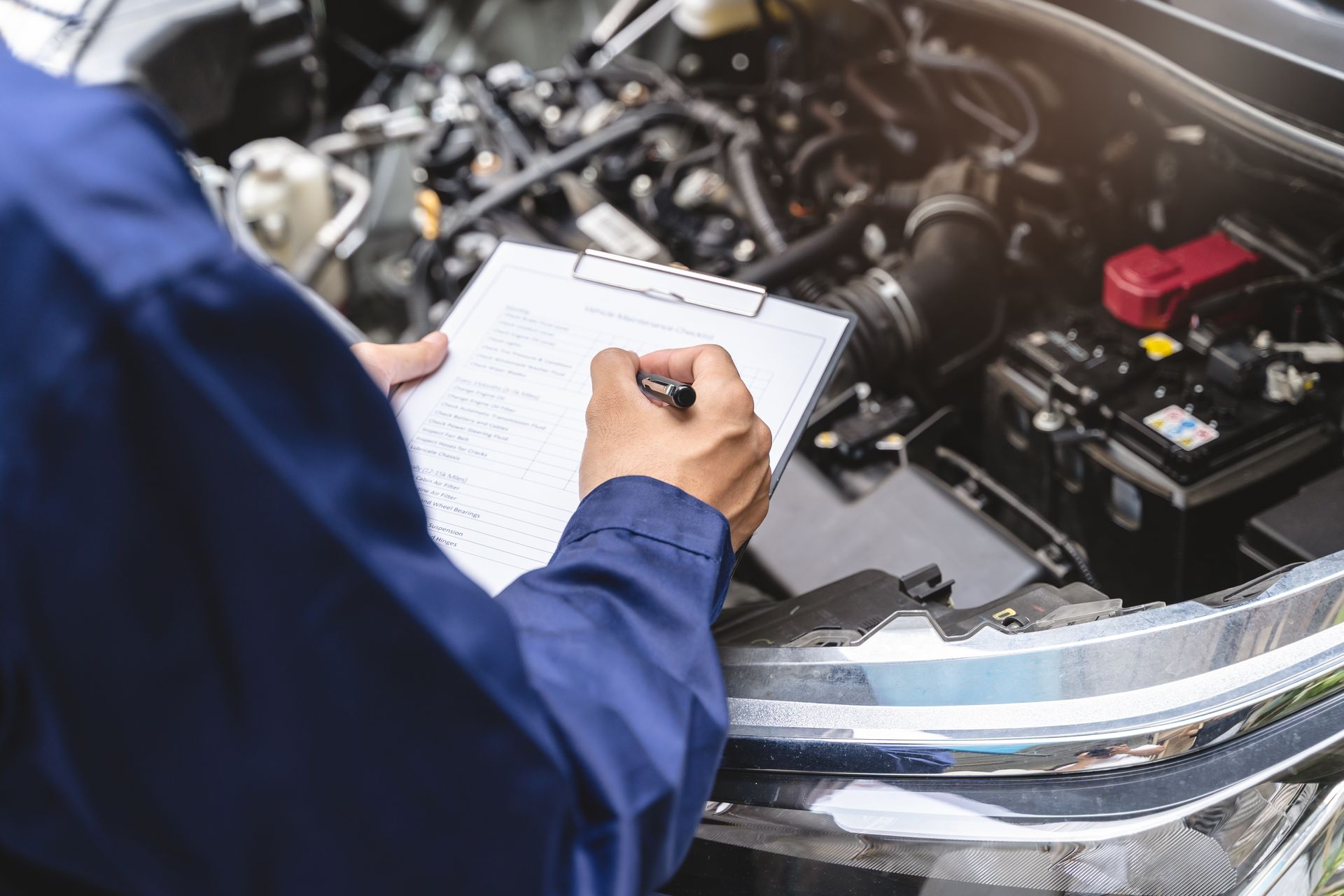
We can inspect your exhaust system, locate the exact source of the rattle, and repair loose shields, broken hangers, leaking joints, or damaged exhaust components. We’ll explain what we find and recommend the fix that stops the noise without unnecessary parts.
Call
Gold Wing Motors in Miami, FL to schedule an exhaust inspection and quiet that rattle down.