A lot of drivers still wonder the same thing on chilly mornings or after the car has been sitting overnight. Should you let it warm up for a while before driving, or is it okay to start it and go right away? At our shop, we hear both sides of this all the time. Some people still believe you should let the engine idle for several minutes before moving. Others start the car and drive off immediately without thinking twice. The truth sits somewhere in the middle.
In most vehicles today, it is not bad to drive your car right after a cold start. In fact, in many cases it is better for the engine to be driven gently than left idling for a long time. The important part is how you drive during those first few minutes. Starting the engine and immediately flooring it is not the same thing as starting the engine, letting it settle for a moment, and then driving smoothly until everything reaches normal operating temperature.
From our perspective, the goal is not to baby the car for ten minutes in the driveway. The goal is to give the engine a sensible start and avoid putting heavy stress on cold components before the vehicle has had a chance to warm up properly.
What A Cold Start Really Means
A cold start usually means the engine has been sitting long enough that the oil has settled and the whole system is starting from a cooler condition. That does not only happen in winter. It can happen any time the vehicle has been parked for several hours, especially overnight.
When the engine first starts, the oil needs a moment to circulate fully and begin protecting moving parts under normal operating conditions. The engine management system also adjusts fuel delivery differently during this early stage because the car knows the engine is not fully warmed up yet.
Why Long Warm Ups Used To Matter More
Part of the confusion comes from older cars. Years ago, long warm ups were more common because older engines and fuel systems often needed them more. Carbureted engines especially could be fussier when cold, and idling for a while made more sense in that era.
Modern fuel injected vehicles are very different. They are designed to manage cold starts much more efficiently. The car adjusts its own operation during startup and warm up, which means it usually does not need to sit idling in the driveway for several minutes before it can move.
Driving Gently Is Usually Better Than Idling Too Long
In most modern vehicles, the engine actually warms up more effectively by being driven gently than by sitting and idling for a long stretch. That is because light driving brings the engine, transmission, and other components up to normal temperature more naturally and more completely than extended idling does.
At our shop, we usually tell drivers something pretty simple. Start the car, give it a brief moment to stabilize, and then drive normally but gently. Avoid hard acceleration, high RPM, and heavy throttle until the engine has had time to warm up.
What Happens If You Drive Too Aggressively Too Soon
The real issue is not driving after a cold start. The real issue is demanding too much from the engine before it is ready. Cold oil flows less easily than warm oil, and various engine components have not yet reached their normal working clearances and temperatures.
If you start the car and immediately accelerate hard, rev it high, or drive aggressively, you put more stress on the engine while it is still in that colder, less ideal state. Over time, that kind of habit can contribute to extra wear.
A few things worth avoiding right after a cold start include:
- Hard acceleration
- High RPM driving
- Heavy throttle input
- Towing or heavy engine load immediately after startup
You do not need to drive like the car is made of glass. You just want to give it a few minutes of calm use before asking for full performance.
A Short Wait Is Fine
This is where a lot of drivers land once they hear both sides. No, you do not need a long warm up. But yes, giving the engine a few seconds after startup is perfectly reasonable.
That brief pause gives the idle a moment to settle and lets oil begin circulating before you put the vehicle in gear and move off. We are talking about a short moment, not a full sit in the driveway routine. At our shop, we think that is the practical real world answer most drivers can actually live with.
Cold Weather Changes The Feel, Not The Basic Rule
When temperatures drop, drivers are more likely to notice rougher starts, higher idle speeds for a short time, and slower warm up in general. That can make it feel like the car needs much more time before it should be driven.
In reality, the basic advice still holds. Cold weather means you should be even more gentle during the first few minutes, but it does not necessarily mean you should let the vehicle idle forever before moving. In many cases, a car in winter still warms up better by being driven calmly than by sitting still for an extended time.
What does matter is patience. In cold weather, it may take longer before the engine, transmission, and heater all feel fully up to normal.
It Is Not Just About The Engine
One reason gentle driving matters after a cold start is that the engine is not the only thing waking up. The transmission, power steering system, wheel bearings, suspension, and even the tires are all starting from a colder condition too.
That means your whole vehicle is a little less ready for aggressive use during those first few minutes. Smooth acceleration, lighter braking, and calmer driving help all of those systems settle in more naturally.
Short Trips Can Be Harder On Cars Than People Expect
This is another part of the conversation that matters. A car that only ever gets very short trips may spend a lot of its life in that partially warmed up stage. That is not ideal. Engines generally do better when they regularly reach full operating temperature.
If your daily use is mostly very short drives, that does not mean you are harming the car every time you leave the driveway. It just means good maintenance becomes even more important because the engine may spend more time warming up and less time fully settled.
So Is It Bad To Drive Right After A Cold Start
In most modern cars, no, it is not bad to drive right after a cold start as long as you do it the right way. Starting the car and driving off gently is usually better than letting it idle for a long time. The important thing is to avoid hard acceleration and heavy engine load until the vehicle has warmed up.
That is the real takeaway. You do not need to sit there forever waiting for some perfect warm up moment. You just need to treat the car with a little mechanical sympathy during the first part of the drive.
When Cold Start Behavior Might Mean A Problem
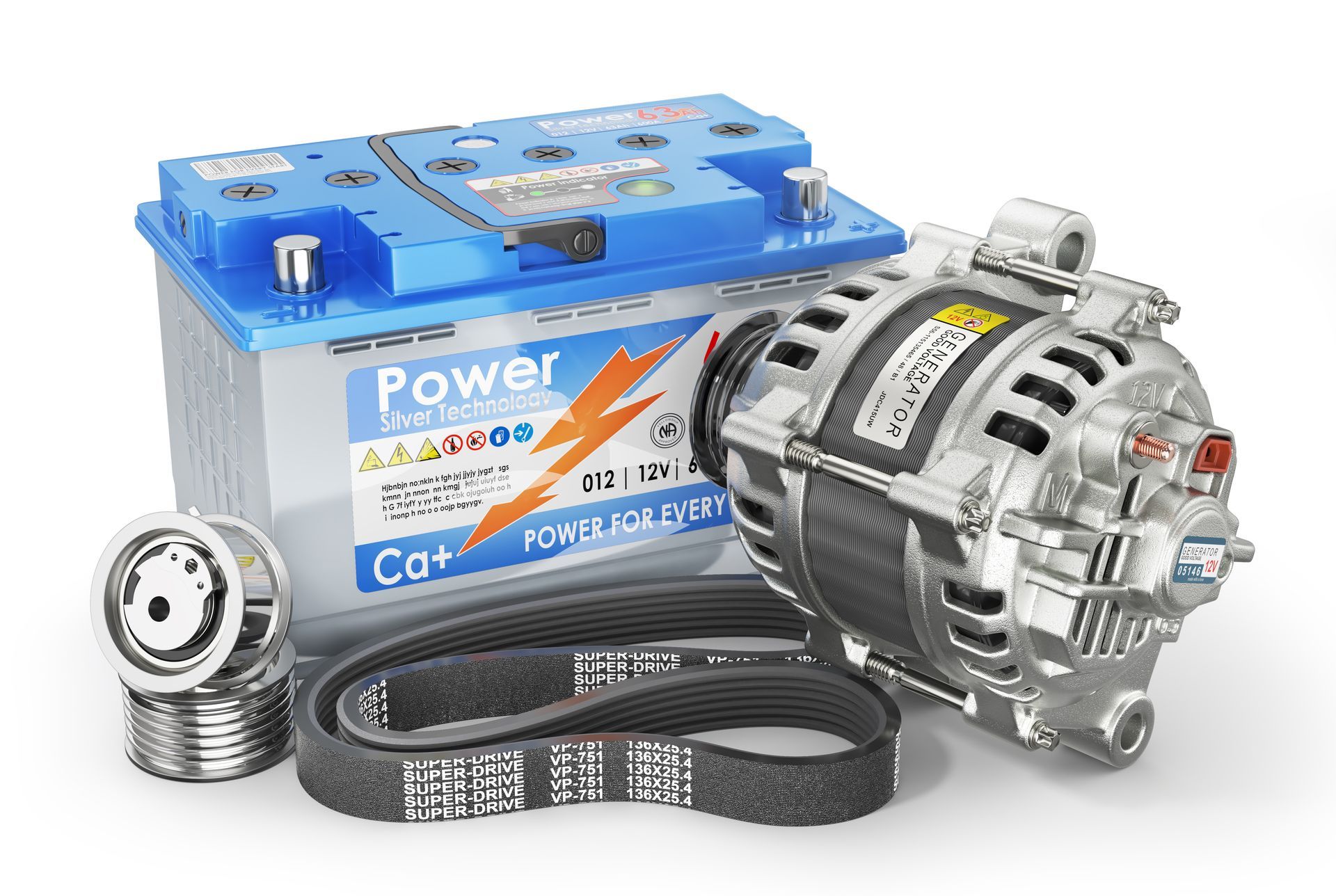
If your vehicle starts poorly, idles extremely rough for too long, struggles badly when cold, or feels clearly abnormal during cold starts, that may point to a maintenance or engine issue rather than normal warm up behavior. Weak batteries, worn spark plugs, sensor problems, fuel delivery issues, and other concerns can all show up more clearly when the engine is cold.
At
Gold Wing Motors in Miami, FL, we can inspect the engine, battery, ignition system, and related components to help keep your car running smoothly in every season.
Call us today or stop by to schedule an inspection.