Buying a used car can be a smart way to save money, but the condition of two vehicles with the same year and mileage can be very different. One may have been maintained carefully, while another may have hidden leaks, worn suspension parts, previous collision repairs, or overdue maintenance that is not obvious during a short test drive.
A pre-purchase car inspection gives you a clearer picture before money changes hands. It does not guarantee that a vehicle will never need repairs, but it can reveal current problems, developing concerns, and maintenance needs that may affect whether the car is worth buying at the asking price.
The Inspection Starts With the Vehicle’s Overall Condition
A technician will usually begin with a broad look at the vehicle rather than focusing on one system. The goal is to identify anything unusual, neglected, damaged, leaking, or inconsistent with the mileage and age of the car.
That can include checking exterior lights, glass, mirrors, wipers, body panels, tires, visible fluid leaks, and general underhood condition. Signs of poor previous repairs, missing fasteners, damaged shields, or neglected maintenance can also provide useful clues about how the vehicle has been treated.
The Engine and Transmission Get Close Attention
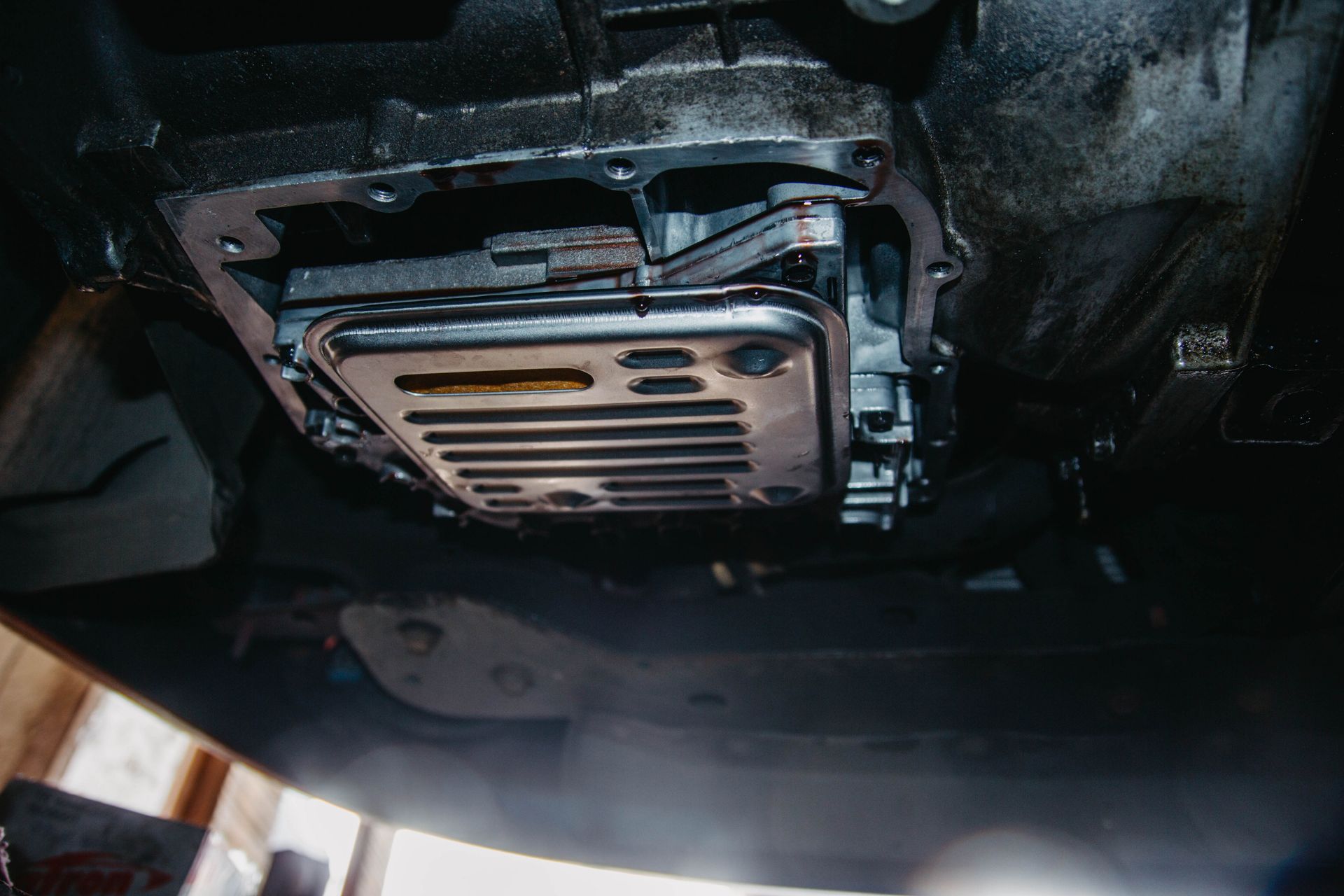
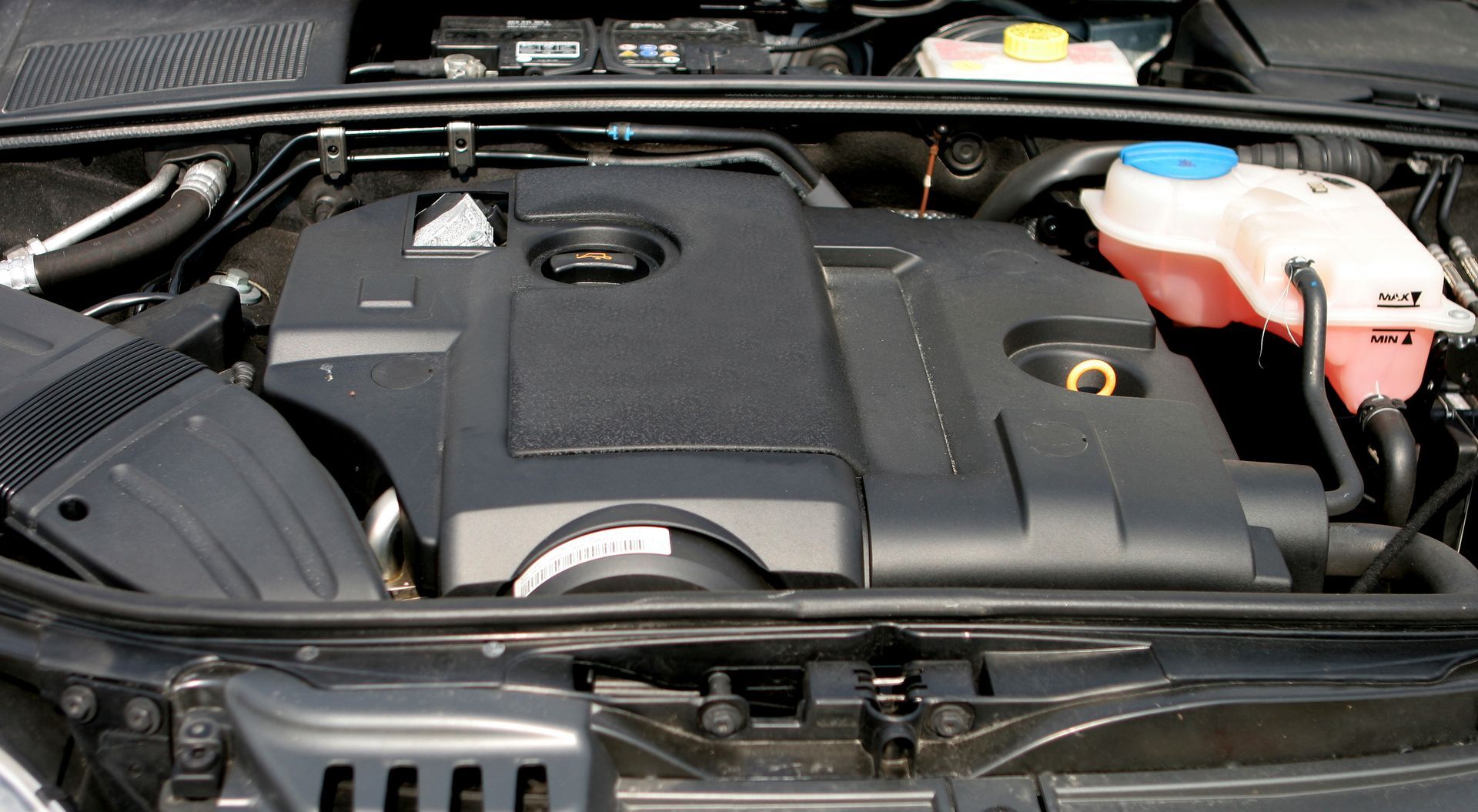
The engine is checked for leaks, unusual noises, warning lights, rough operation, and signs of neglected service. Technicians may look around the valve covers, oil pan, cooling system, oil filter housing, and other common leak areas depending on the vehicle.
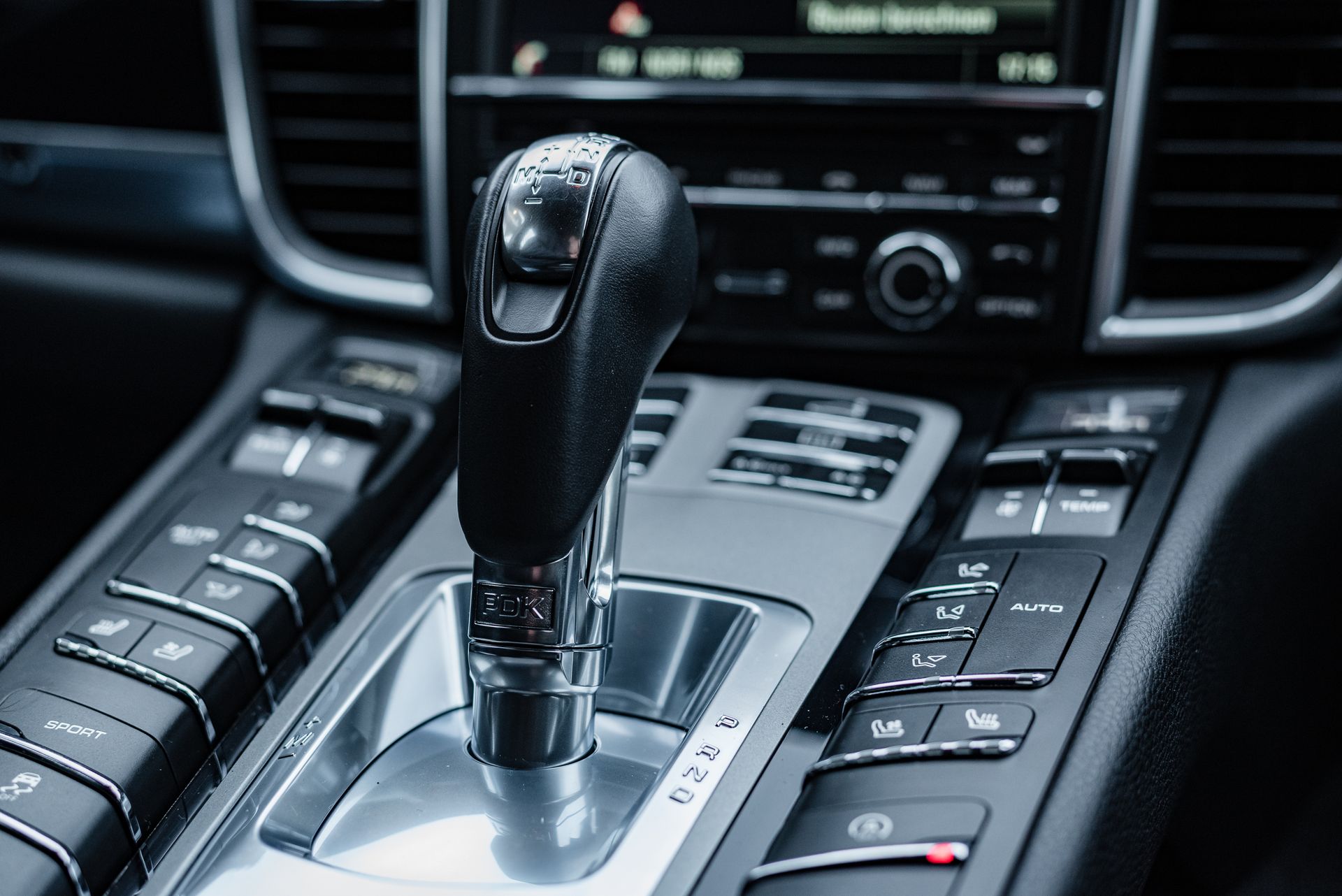
Transmission operation is important too. During a road test, the technician may pay attention to delayed engagement, harsh shifts, slipping, unusual vibration, or noises under acceleration. A vehicle can feel acceptable during a quick drive around the block while still showing signs that a transmission or drivetrain repair may be approaching.
Fluids Can Reveal More Than Just Their Level
Checking fluids is not only about making sure they are full. Engine oil, coolant, brake fluid, transmission fluid where accessible, and other serviceable fluids can provide information about maintenance history and current condition.
Low fluid may point toward a leak or consumption problem. Dirty or badly deteriorated fluid may suggest that service has been delayed. Fluid condition by itself does not tell the entire story, but it adds useful context when combined with the mileage, service records, and other inspection findings.
Tires, Brakes, and Suspension Can Affect the Real Purchase Price
Wear items can significantly change what a used car will cost shortly after purchase. Four worn tires, thin brake pads, leaking struts, or damaged suspension bushings may not make the vehicle unusable today, but they can add a substantial repair bill soon after you take ownership.
A pre-purchase inspection should include:
- Tire tread depth and wear patterns
- Brake pad and rotor condition
- Shock and strut condition
- Ball joints and tie rods
- Control arm bushings
- Wheel bearings
- Visible axle and CV boot condition
- Signs of alignment-related tire wear
Uneven wear can be especially important. It may indicate that the vehicle needs more than a simple tire replacement and could point toward alignment or suspension work.
The Cooling System Deserves Careful Inspection
Cooling system problems can become expensive quickly if they lead to overheating. Technicians look for coolant leaks, damaged hoses, dried coolant residue, radiator concerns, and other signs that the system may not be holding pressure correctly.
The condition of the coolant and the vehicle's service history can also help determine whether maintenance is due. A small seep around a hose connection may be manageable, while evidence that the engine has repeatedly overheated would be a much more serious concern for a potential buyer.
Computer Scanning Can Reveal Stored Problems
Modern vehicles can store fault codes even when the check engine light is not currently illuminated. Scanning the vehicle's computers can reveal current, pending, or previously stored faults involving the engine, transmission, emissions systems, ABS, airbags, or other electronic systems depending on the vehicle.
A trouble code should not be treated as proof that a specific part has failed. It does, however, tell the technician where additional testing may be needed. If several warning systems have faults or monitors have recently been reset, that information can be valuable before making a purchase decision.
Previous Repairs and Collision Evidence May Be Visible
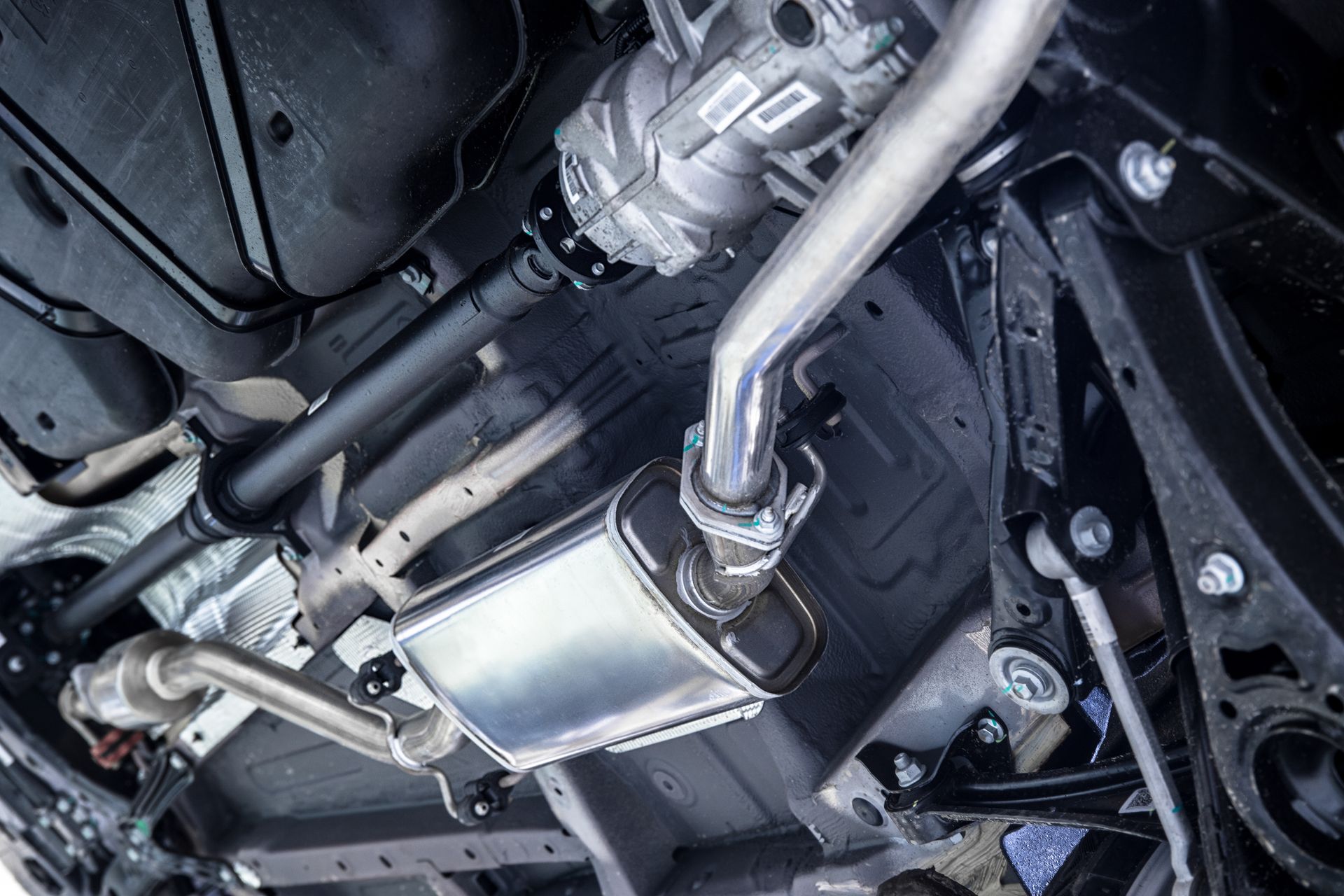
A vehicle history report is useful, but it may not show every repair that has ever been performed. During an inspection, technicians may notice uneven panel gaps, overspray, mismatched fasteners, damaged underbody components, bent brackets, or signs that body or suspension work has been completed.
None of these findings automatically means the car should be avoided. A properly repaired vehicle can continue to be a good purchase. The concern is whether repairs were completed correctly and whether any remaining damage affects alignment, steering, suspension, safety systems, or long-term reliability.
A Road Test Tells a Different Part of the Story
Some problems only become noticeable when the vehicle is moving. A road test can reveal steering pull, wheel bearing noise, vibration, brake pulsation, transmission concerns, suspension noise, or engine hesitation that may not appear while the car is sitting in a parking lot.
The technician can also pay attention to steering wheel position, acceleration, braking response, temperature behavior, and unusual sounds at different speeds. That real-world behavior adds another layer to what is found during the visual inspection.
How a Pre-Purchase Inspection Helps You Make a Better Decision
The biggest value of a pre-purchase inspection is the information it provides. You may learn that the car is in good condition and only needs normal maintenance, or you may discover repairs that should be considered before agreeing to the purchase price.
Inspection results can help you decide whether to proceed, negotiate based on upcoming repair costs, ask the seller to address certain problems, or walk away from a vehicle that presents more risk than you are comfortable taking on. Spending money on an inspection before buying can be far less expensive than discovering major mechanical problems afterward.
Get a Pre-Purchase Car Inspection in Miami, FL, With Gold Wing Motors
Gold Wing Motors in Miami, FL, can inspect a used vehicle before you buy it and help you understand its current mechanical condition, maintenance needs, and visible areas of concern.
If you are considering a used car and want more information before making the purchase,
contact us to schedule a pre-purchase inspection.