A BMW can feel completely normal on the highway, then shudder or grab during a tight parking turn. You may feel a pulsing through the floor, hear the tires scrub, or notice the car hesitate as if one wheel is fighting the others. Sometimes it is worse after the car has been driven for a while.
That pattern is useful because several parts of an xDrive system behave differently in a sharp turn than they do while cruising straight. A technician wants to know whether the vibration appears only near full steering lock, whether it changes when hot versus cold, and whether the tires were serviced before the symptom started.
Why Tight Turns Expose xDrive Problems
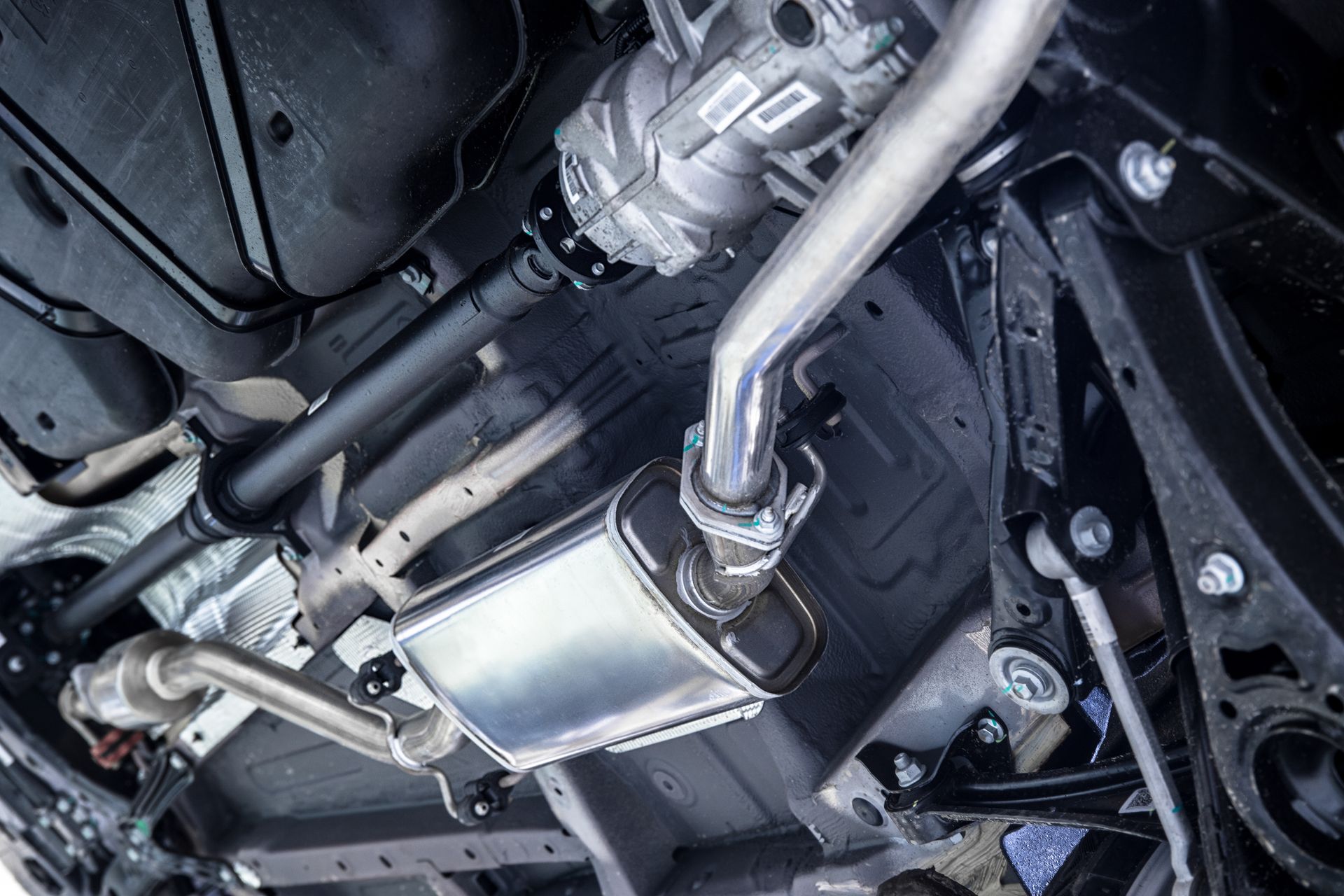
During a tight turn, the front and rear wheels do not travel the same distance. The xDrive system has to allow those speed differences while still being ready to send torque where it is needed. Inside the transfer case, a clutch controls part of that torque split. If it does not release or modulate correctly at low speed, the driveline can load up and create a shudder, hopping feeling, or repeated grab-and-release sensation.
Tire Mismatch Can Feel Like a Bad Transfer Case
Before blaming the transfer case, one thing we check closely is the tires. xDrive is sensitive to differences in rolling circumference between the front and rear axles. Tires can show the same size on the sidewall and still roll differently because of tread depth, brand, pressure, or uneven wear.
A BMW with two newer tires and two heavily worn tires can keep the transfer case working harder than it should. The same applies when you replace one tire after a puncture while the other three have much more wear. We measure tread depth, confirm pressures, compare tire sizes, and look for uneven wear before deciding the driveline itself has failed.
What Transfer Case Shudder Usually Feels Like
Transfer case-related binding tends to show up at low speed with the steering turned sharply. Drivers commonly notice it pulling into a parking space, circling a garage ramp, making a U-turn, or backing out with the wheel near full lock. The car can feel as if the brakes are lightly being applied and released even though your foot is off the pedal.
Some vehicles behave better when cold and begin shuddering after the drivetrain heats up. A warning light is possible, but its absence does not rule out a transfer case issue. Mechanical wear, fluid condition, tire differences, or clutch control problems do not always announce themselves on the dashboard right away.
Other Problems Can Create a Similar Sensation
Not every tight-turn vibration comes from xDrive. A worn outer CV joint is more likely to click repeatedly during a turn, especially while accelerating. An inner CV joint can vibrate under load. Worn control arm bushings, engine mounts, differential problems, or a tire rubbing a liner can also create noises and movement that seem to come from the center of the car.
The road test helps separate those patterns. If the shudder disappears as soon as the steering straightens, driveline windup and wheel-speed differences get more attention. If the vibration continues at the same road speed with the wheel straight, tires, wheels, axles, or other rotating parts move higher on the list.
How the Transfer Case Is Checked
A good inspection starts with the simple things before moving into expensive parts. Tire size, tread depth, pressure, wheel condition, and service history come first. A technician can then scan the BMW for xDrive, DSC, wheel-speed, or transfer case faults and see whether the actuator and clutch control are behaving as expected.
Transfer case fluid also deserves attention. Fluid condition alone does not prove the unit is good or bad, but neglected or incorrect fluid can affect clutch operation and wear. On some BMWs, diagnosis may include checking transfer case adaptations. The goal is to prove the source instead of replacing a costly assembly because the symptom sounds familiar.
Can You Keep Driving With the Shudder?
A mild shudder on tight turns does not tell us how much wear is present. If mismatched tires are forcing the system to compensate constantly, continued driving can keep extra load on the transfer case. If the clutch pack or actuator is already struggling, the symptom may worsen and start showing up during less severe turns.
Regular maintenance helps, but once binding appears, it deserves diagnosis. If the car starts jerking hard, shows drivetrain or stability warnings, or feels as though the wheels are locking against each other, have it checked before adding more miles.
Get BMW xDrive Transfer Case Service in Miami, FL, With Gold Wing Motors
If your BMW shudders, hops, or binds during tight turns, Gold Wing Motors in Miami, FL, can check the tires, scan the xDrive system, and evaluate the transfer case before parts are recommended.
Schedule a visit so we can reproduce the symptom and find out what is actually causing it.